
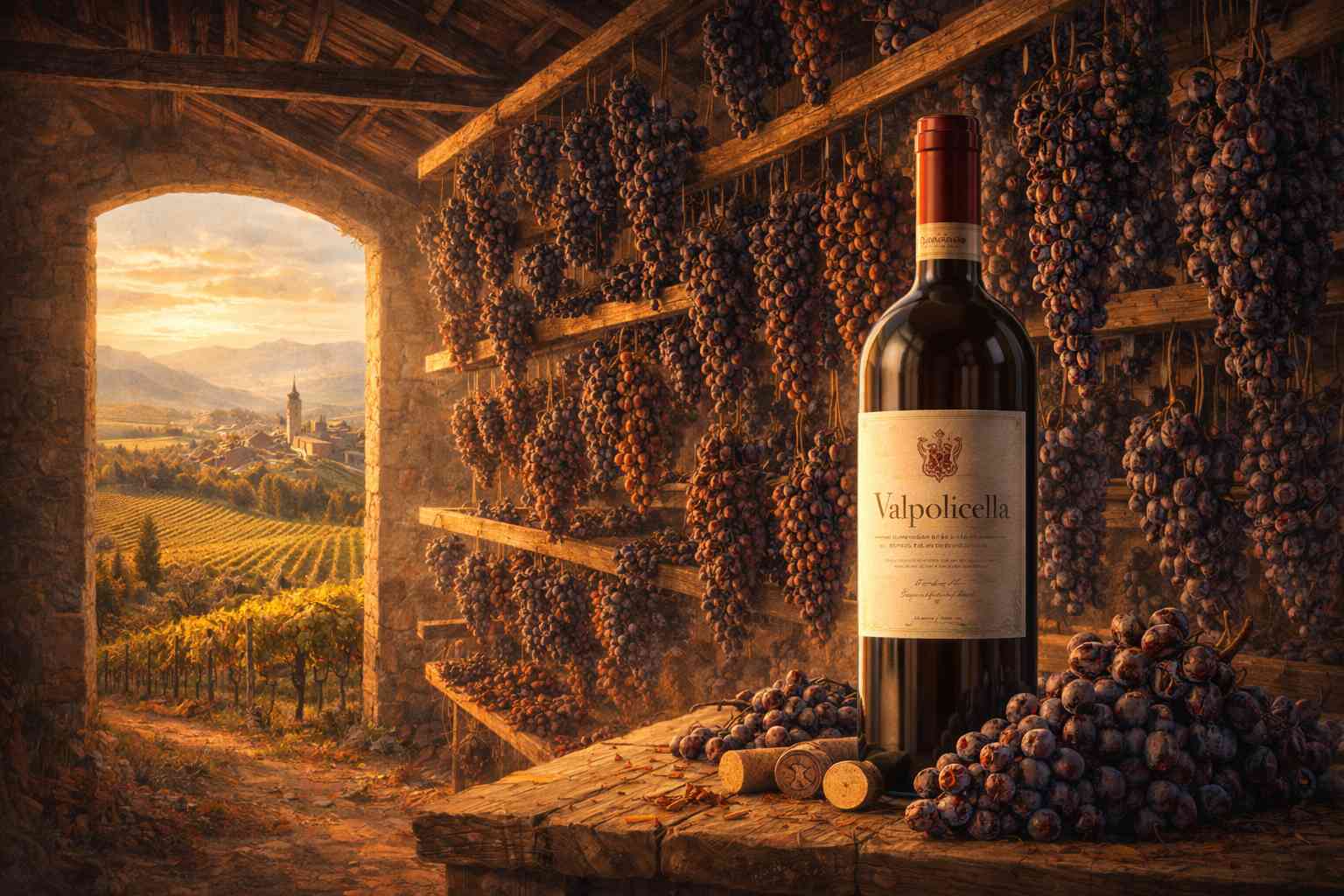
Veneto is one of Italy’s most technically distinctive regions. It is here that wine is shaped not only by terroir but also by deliberate transformation. The region demonstrates how production methods can redefine a wine’s identity.
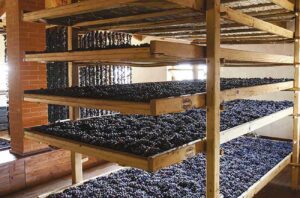
The most emblematic technique is appassimento, where grapes are dried before fermentation. This process concentrates sugars, flavours, and structure, resulting in wines of depth and intensity. It is the foundation of Amarone della Valpolicella, one of Italy’s most powerful and recognisable wines.
Closely related is the Ripasso method, where young Valpolicella wine is passed over the skins of Amarone grapes. This creates a wine that sits between freshness and richness — structured, but still approachable.
Key denominations:
Valpolicella Classico – The most traditional expression of the region. Light to medium-bodied, with red cherry, herbal notes, and a fresh, easy profile. Oft
en underestimated, but essential to understanding the region’s foundation.
Valpolicella Ripasso – A step up in complexity. The Ripasso method adds depth, darker fruit, and a subtle richness, while maintaining balance.
Amarone della Valpolicella – The peak of the region. Dense, concentrated, often with notes of dried fruit, chocolate, spice, and a long, warming finish. These wines are built for slow appreciation.
Closely related to this approach is the broader tradition of passito wines, where grapes are left to lose some of their water before fermentation, concentrating their sugars and flavours. While in Veneto this technique produces powerful dry wines such as Amarone, elsewhere in Italy it often leads to sweet, balanced expressions, where richness is offset by acidity. Wines such as Vin Santo in Tuscany or Passito di Pantelleria in Sicily reflect this alternative path — less about power, more about concentration, texture, and a slow, measured evolution.
Cantina di Negrar Amarone della Valpolicella Classico 2021
Rich and concentrated — dark fruit, chocolate, and a warming finish, yet still structured. Score: 8.2/10
Corte Armano Valpolicella Classico
Bright and lifted, with red berries and a clean, easy structure. Score: 8.2/10
Fasoli Gino Valpolicella Ripasso Superiore 2013
A beautifully balanced Ripasso — dried cherry, spice, and a slightly smoky depth, without losing freshness. Score: 8.4/10
Tenuta Sant’Antonio Amarone della Valpolicella 2007
More evolved — dried fig, tobacco, and deep complexity. Score: 8.4/10
Veneto also produces Prosecco, one of the world’s most widely consumed sparkling wines. Unlike Amarone, Prosecco is about freshness, lightness, and immediacy — highlighting the remarkable stylistic range within a single region.