
Beyond the better-known regions, some of my Spanish bottles point toward the country’s broader range. Spain, after all, is not only Rioja or Ribera del Duero, but a mosaic of smaller appellations, emerging areas and distinctive local expressions that often escape the main narrative.
Viña Enterizo Gran Reserva 2017 — from Utiel-Requena suggests mature fruit, oak seasoning and a more traditional gran reserva mood;
De Moya Justina 2020 — from Valencia offers a riper, more Mediterranean profile built around Bobal;
Viñas del Vero Cabernet Sauvignon 2022 — represents polished Somontano modernity.
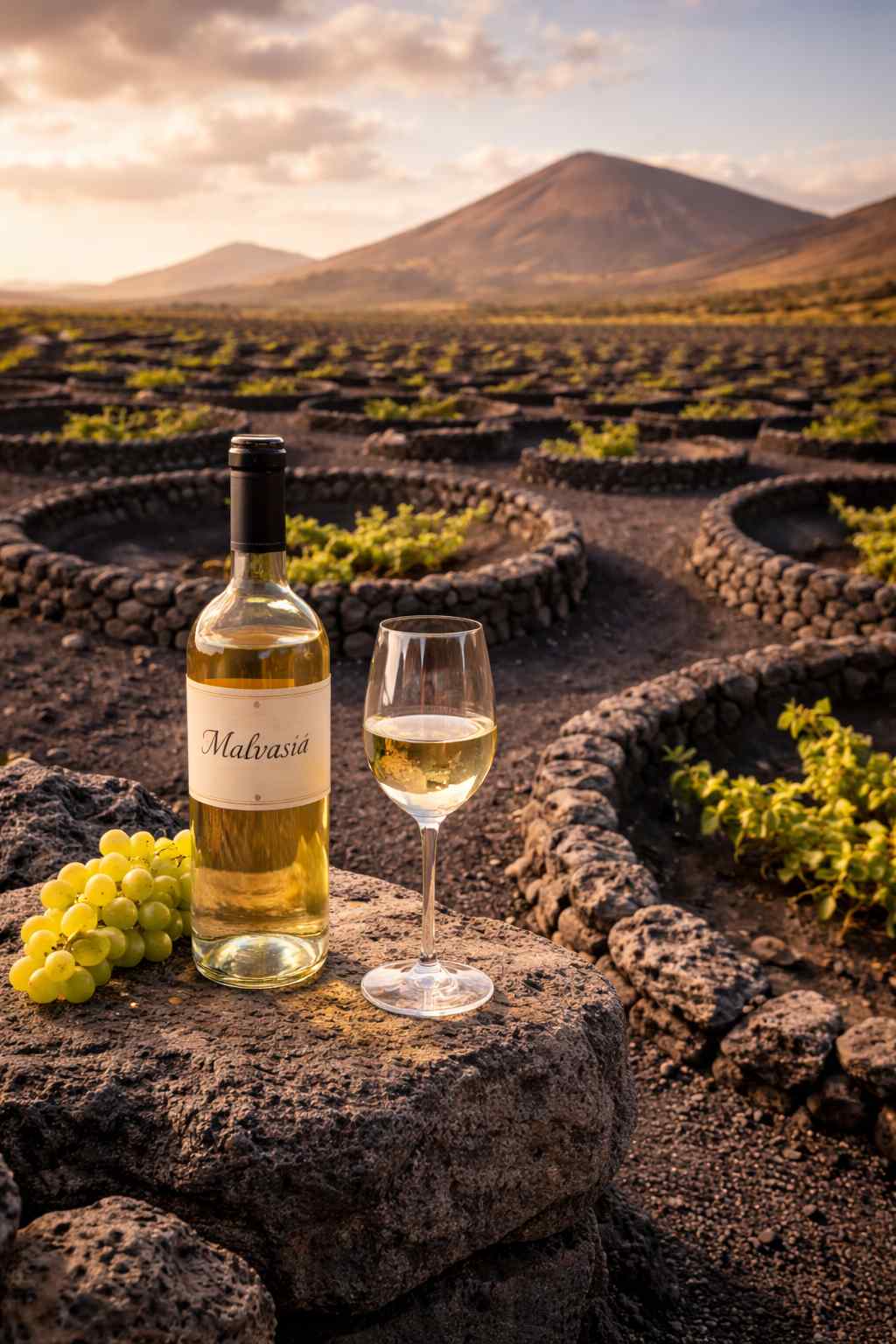
Alongside these mainland regions, the Spanish islands add another layer of identity. In the Canary Islands, volcanic soils and Atlantic winds produce wines of striking minerality and tension, often from ancient, ungrafted vines. In contrast, the Balearic Islands, shaped by a gentler Mediterranean climate, give softer, more sun-driven wines built on local varieties such as Mantonegro — a character well reflected in wines like Bodega Ribas Ribas Negre.
These wines do not form a single, coherent regional chapter, nor do they follow one stylistic direction. And perhaps that is precisely their value. They remind us that Spanish wine is not defined only by its most famous regions, but also by its margins — by places where identity is still fluid, and where the connection between landscape and wine often feels more immediate.